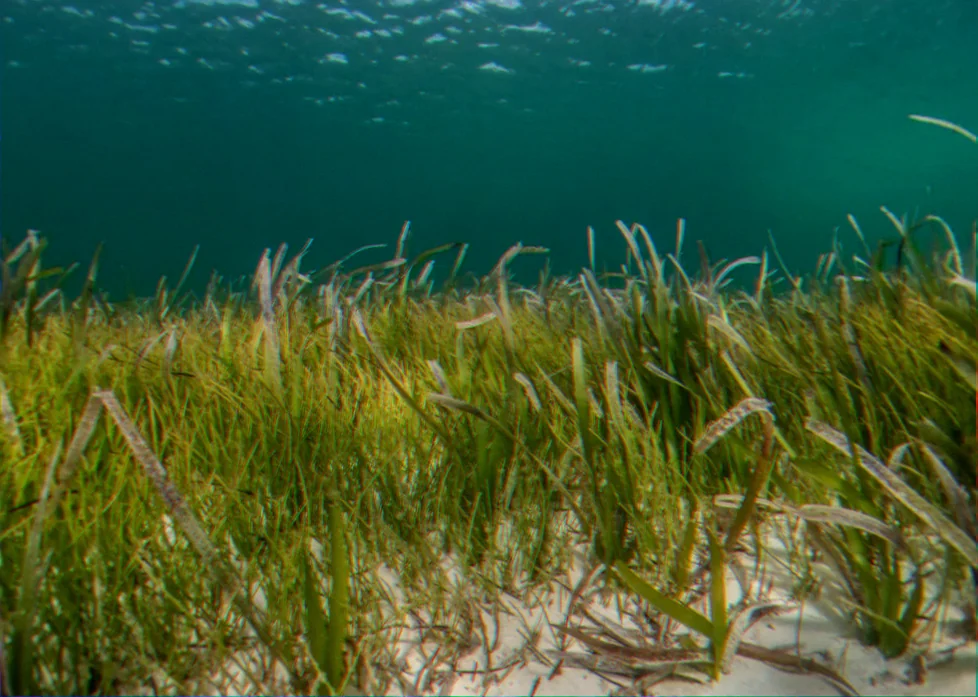
Spencer Gulf seagrass meadows are extensive underwater ecosystems found within the shallow, sheltered waters of Spencer Gulf in South Australia. These meadows, predominantly composed of Posidonia australis, are critical nurseries for commercially important fish and invertebrate species, provide significant coastal protection, and act as vital carbon sinks. Their health is a key indicator of the overall health of the Gulf, and they face increasing pressures from agricultural runoff and climate change impacts.
Scientific Classification and Description
Kingdom → Plantae → Phylum → Tracheophyta → Class → Liliopsida → Order → Alismatales → Family → Posidoniaceae → Genus → Posidonia → Species → Posidonia australis. Posidonia australis, commonly known as strandweed, is a marine flowering plant. Unlike most seagrasses which propagate via seeds, P. australis primarily spreads through rhizome extension, forming dense and extensive meadows. Individual leaves can reach lengths of up to 1.2 metres, though typically average around 0.6 metres in length and 5-8 millimetres in width. The rhizomes, which are underground stems, can extend for many metres, creating a complex network that stabilizes the seabed. The plant lacks true roots, instead possessing root-like structures for anchoring. A mature meadow can accumulate up to 200 grams of organic carbon per square metre annually.
Identifying Features at a Glance
| Feature | Detail |
|---|---|
| Scientific name | Posidonia australis |
| Size (adult) | Leaf length: 0.6 - 1.2 metres; Rhizome extension: potentially hundreds of metres |
| Endemic range | Southern Australia - Western Australia, South Australia, Victoria, Tasmania, and New South Wales. Specifically, Spencer Gulf, Gulf St Vincent, and Kangaroo Island region. |
| Conservation status | Least Concern (IUCN); Listed as a threatened ecological community in South Australia under the National Parks and Wildlife Act 1972. |
| Lifespan | Potentially centuries for individual rhizome systems; individual leaves have a lifespan of approximately 6-12 months. |
Habitat and Distribution in Australia
- Primary biome: Subtidal and intertidal marine ecosystems, specifically sheltered bays and gulfs.
- Geographic range: Found along the southern coastline of Australia, from Western Australia to New South Wales, but particularly prevalent in South Australia.
- Microhabitat: Prefers sandy or muddy substrates, typically at depths ranging from 0 to 15 metres, though can extend to 30 metres in clear waters. They are often found in areas with moderate wave action and currents.
- Altitude / depth range: 0 - 30 metres below sea level.
- Seasonal movement: No significant seasonal movement of the plants themselves, but associated fauna exhibit seasonal changes in abundance and distribution. Leaf shedding occurs primarily in autumn and winter.
Diet, Hunting, and Feeding Ecology
As a primary producer, Posidonia australis doesn't ‘hunt' or have a diet in the traditional sense. It obtains nutrients through its leaves and rhizomes directly from the water column and sediment. It photosynthesizes, converting sunlight into energy. The meadows support a complex food web, providing food and shelter for numerous herbivores like dugongs (Dugong dugon), sea urchins, and various fish species. A unique foraging behaviour observed within Spencer Gulf meadows is the ‘sand-sifting' by certain species of benthic invertebrates, which actively disturb the sediment around rhizomes, releasing buried organic matter and stimulating nutrient cycling - a process rarely documented in other seagrass ecosystems. This activity enhances the availability of food for smaller organisms and contributes to the overall health of the meadow.
Reproduction and Life Cycle
Posidonia australis primarily reproduces asexually through rhizome extension, allowing for rapid colonization of suitable habitats. Sexual reproduction via flowering and seed production occurs, but is less frequent. Flowering typically takes place between late spring and early summer (November - January). The plant produces small, inconspicuous flowers that are pollinated by water currents. Seeds are buoyant and can be dispersed over considerable distances. Seed germination rates are relatively low, and successful establishment requires specific environmental conditions. Juvenile plants develop from rhizome fragments or seeds, gradually expanding to form new shoots and leaves. Plants reach sexual maturity after approximately 5-7 years.
Unique Adaptations Exclusive to This Species
- Physiological adaptation 1: P. australis possesses a highly efficient photosynthetic pathway adapted to low light conditions, allowing it to thrive at depths where light penetration is limited. This involves specialized pigments and chloroplast structures.
- Behavioural adaptation 2: The extensive rhizome network provides exceptional sediment stabilization, reducing erosion and creating a more stable habitat for associated fauna. This is particularly important in the dynamic environment of Spencer Gulf.
- Sensory adaptation 3: While not a sensory adaptation in the animal sense, P. australis exhibits a remarkable ability to detect and respond to changes in salinity and temperature, adjusting its physiological processes to maintain optimal growth and survival.
Threats, Conservation, and Human Interaction
The Spencer Gulf seagrass meadows face several significant threats. Firstly, agricultural runoff containing excess nutrients and pesticides leads to algal blooms that reduce light penetration and smother seagrasses. Secondly, dredging and coastal development directly destroy seagrass habitat. Thirdly, climate change-induced increases in water temperature and ocean acidification are stressing the plants and reducing their resilience. Active conservation efforts include the South Australian Government's ‘Operation Flinders' program, which focuses on monitoring water quality and implementing best management practices for agricultural land use within the Gulf's catchment area. Additionally, the ‘Seagrass Restoration Project' is trialling techniques for replanting seagrass in degraded areas, though success rates remain variable.
Frequently Asked Questions
Is Spencer gulf seagrass meadows venomous or dangerous to humans?
No, Posidonia australis is not venomous or directly dangerous to humans. However, the seabed within seagrass meadows can be uneven and contain sharp objects like shell fragments. Contact with certain marine organisms inhabiting the meadows (e.g., stonefish) could cause injury, but the seagrass itself poses no threat. Minor skin irritation may occur from prolonged contact with decaying seagrass material.
Where is the best place in Australia to see Spencer gulf seagrass meadows in the wild?
The best locations to observe Spencer Gulf seagrass meadows are within the Innes National Park on the Yorke Peninsula, around the shores of Kangaroo Island (particularly American River and Pennington Bay), and in the protected waters of Gulf St Vincent near Port Lincoln. Snorkelling or diving are the best ways to appreciate the full extent of these underwater ecosystems.
What is the difference between Spencer gulf seagrass meadows and similar species?
While several seagrass species exist in Australia, Posidonia australis differs significantly from the more common Zostera muelleri (eelgrass). Zostera muelleri has narrower leaves and a less extensive rhizome system, forming smaller, patchier meadows. Posidonia australis, in contrast, creates dense, continuous meadows that can cover vast areas of the seabed and persist for centuries. Furthermore, Zostera muelleri is more tolerant of fluctuating salinity levels, making it common in estuarine environments, while Posidonia australis prefers the more stable salinity of sheltered bays and gulfs.